How Texas School Districts Can Prepare for a Successful Bond Program
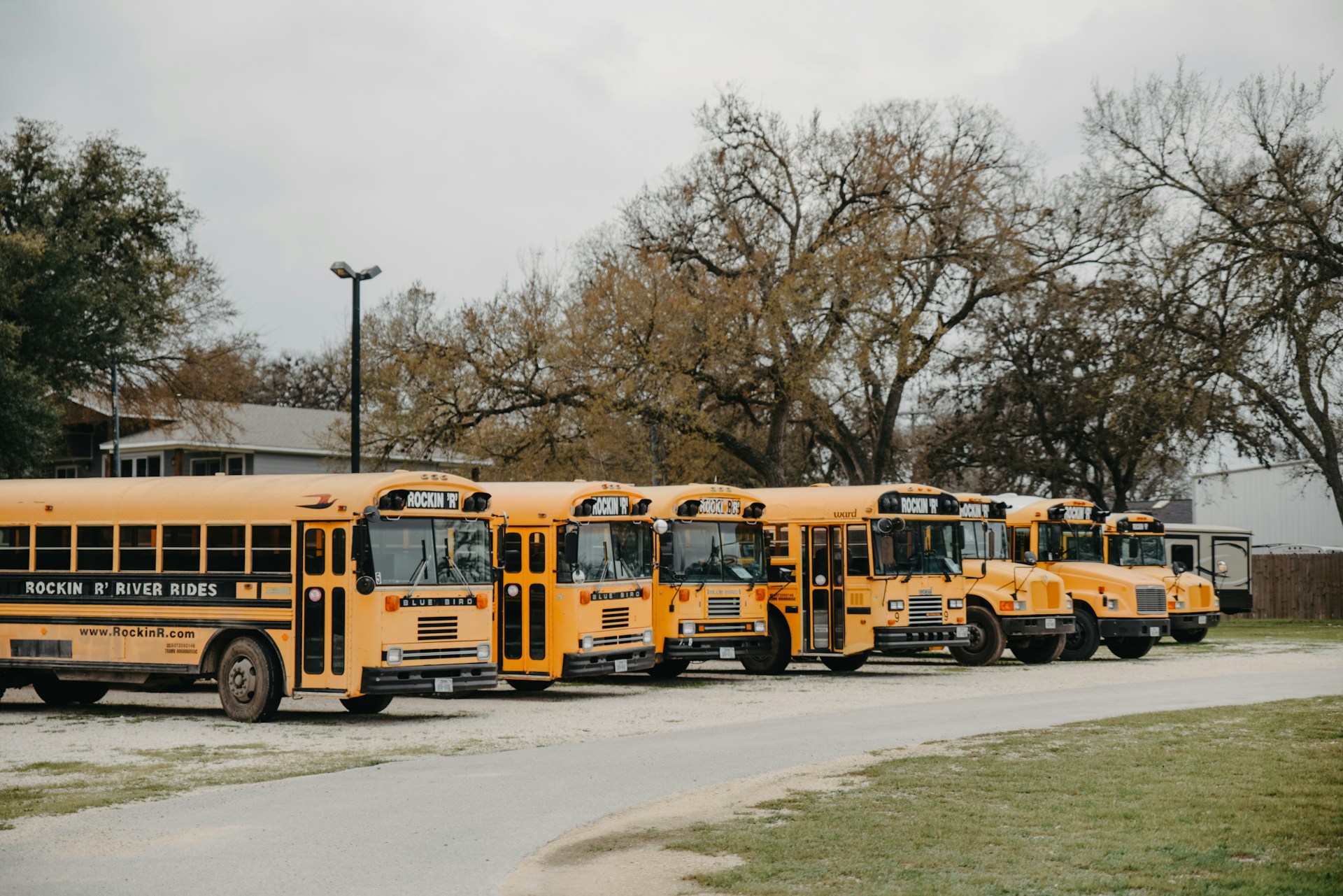
Texas school districts are under pressure. Communities are growing fast. Campuses are aging. Safety expectations are higher than ever. At the same time, districts must balance budgets carefully while earning public trust.
That is why school bond programs require more than just a funding request. A successful bond program starts years before voters ever see a ballot.
From enrollment planning to community engagement, every step matters. Districts that prepare early are more likely to gain voter support, avoid costly surprises, and create schools that serve students for decades.
This guide explains how Texas districts can prepare for a successful bond program and why working with experienced K-12 architects early in the process can make a major difference.
What Is a School Bond Program?
A school bond program allows districts to raise money for major capital projects through voter-approved bonds. These projects often include:
- New school construction
- Campus additions
- Safety upgrades
- Renovations
- HVAC replacements
- Technology infrastructure
- Athletic facilities
- Transportation improvements
Unlike operational budgets, bond funds are typically used for long-term infrastructure improvements.
In Texas, school bond elections are common because many districts face rapid population growth, aging campuses, or changing educational needs.
Why Early Planning Matters
One of the biggest mistakes districts make is waiting too long to start planning.
A bond program is not simply about asking voters for money. Communities want to understand:
- Why projects are needed
- How funds will be used
- What students will gain
- Whether district leaders have a clear long-term vision
When districts rush the process, voters often lose confidence.
Early planning creates:
- More accurate budgets
- Better project prioritization
- Stronger public trust
- Fewer design changes later
- Smoother construction timelines
This is also where experienced educational architects become valuable partners. Firms that specialize in Texas schools understand enrollment pressures, state requirements, campus functionality, and community expectations.
Districts looking for professional guidance on k12 bond planning can benefit from working with trusted architects who understand both educational design and long-term facilities strategy.
Common Reasons Texas Districts Pursue Bond Programs
Every district is different, but most Texas bond programs are driven by a few common challenges.
Rapid Enrollment Growth
Texas continues to experience population growth across many suburban and urban regions. Some districts simply run out of classroom space.
Portable classrooms may work temporarily, but they are not long-term solutions.
Districts often pursue bonds to:
- Build new campuses
- Expand existing schools
- Reduce overcrowding
- Create room for future growth
Aging Facilities
Many campuses across Texas are decades old.
Older buildings may have:
- Outdated HVAC systems
- Roofing problems
- Electrical limitations
- Security concerns
- Inefficient layouts
Renovation projects help districts modernize facilities while improving energy efficiency and student comfort.
Safety and Security Improvements
School safety remains a major concern for families and administrators.
Bond programs often include:
- Secure vestibules
- Access control systems
- Improved campus visibility
- Emergency communication systems
- Safer traffic flow and pickup areas
Modern Learning Environments
Education has changed dramatically over the past decade.
Today’s students benefit from:
- Flexible learning spaces
- STEM labs
- Career and technical education areas
- Collaborative classrooms
- Updated technology infrastructure
Bond-funded improvements allow districts to support modern teaching methods.
The First Steps in Bond Planning
Successful bond programs usually begin with research and evaluation.
Before discussing project lists or budgets, districts should fully understand their current facilities and future needs.
Conduct a Facilities Assessment
A facilities assessment helps districts identify:
- Building conditions
- Deferred maintenance
- Safety concerns
- Capacity limitations
- Infrastructure risks
This creates a data-driven foundation for decision-making.
Without a detailed assessment, districts may overlook costly issues that become major problems later.
Analyze Enrollment Projections
Enrollment studies help districts prepare for future growth patterns.
Questions districts should ask include:
- Which schools are nearing capacity?
- Where is residential growth happening?
- How many students are expected over the next 5–10 years?
- Are attendance boundaries still effective?
Strong enrollment forecasting prevents districts from underbuilding or overspending.
Prioritize Projects
Not every project carries the same urgency.
Districts should separate:
- Critical infrastructure needs
- Safety priorities
- Educational improvements
- Future growth projects
- Nice-to-have upgrades
This helps create a balanced and realistic bond package.
Building Community Support Before the Election
Community trust is one of the most important factors in any bond election.
Voters want transparency. They want clear communication. They want to feel included in the process.
Districts that involve the community early often build stronger support.
Create Community Committees
Bond steering committees help gather feedback from:
- Parents
- Teachers
- Business leaders
- Community members
- Taxpayers
These groups can:
- Review facility needs
- Discuss priorities
- Evaluate project proposals
- Provide public input
This creates shared ownership instead of making decisions behind closed doors.
Communicate Clearly
One of the biggest mistakes districts make is using overly technical language.
Most voters are not construction experts.
Districts should explain:
- Why projects matter
- How they affect students
- What happens if improvements are delayed
- How taxpayer dollars will be managed
Simple communication builds confidence.
Show Long-Term Value
Voters respond better when districts explain long-term benefits rather than short-term expenses.
Examples include:
- Lower maintenance costs
- Improved energy efficiency
- Better student learning environments
- Increased campus safety
- Reduced overcrowding
People want to know how investments improve the future of the community.
Comparing Strong vs Weak Bond Planning
| Strong Bond Planning | Weak Bond Planning |
|---|---|
| Starts years in advance | Rushed timelines |
| Uses facility data | Relies on assumptions |
| Engages the community early | Limited public input |
| Prioritizes projects clearly | Overloaded project lists |
| Communicates transparently | Vague messaging |
| Includes realistic budgets | Underestimated costs |
| Partners with experienced K-12 architects | Minimal planning support |
Why K-12 Architects Matter Early in the Process
Some districts wait until after a bond passes to involve architects.
That approach often creates problems.
Experienced K-12 architects help districts:
- Evaluate facility conditions
- Create realistic budgets
- Develop phased construction plans
- Identify educational design opportunities
- Support community presentations
- Plan campuses for long-term flexibility
Architects who specialize in Texas schools also understand:
- TEA requirements
- Local construction conditions
- Growth patterns
- Educational trends
- Security expectations
This expertise helps districts avoid costly mistakes before projects begin.
Common Challenges During Bond Planning
Even well-managed districts face challenges during bond development.
Inflation and Construction Costs
Construction pricing has become less predictable in recent years.
Districts must account for:
- Material cost increases
- Labor shortages
- Supply chain delays
- Escalation over multi-year projects
Accurate budgeting is critical.
Balancing Needs and Taxpayer Concerns
Communities may support some projects while questioning others.
Districts should carefully balance:
- Critical infrastructure needs
- Educational priorities
- Tax impact concerns
Trying to include too many projects can weaken voter confidence.
Maintaining Public Trust
Transparency matters throughout the process.
Districts should regularly communicate:
- Planning updates
- Budget assumptions
- Timeline expectations
- Project priorities
Silence often creates skepticism.
Strategies That Improve Bond Election Success
While no strategy guarantees success, certain practices consistently improve public support.
Focus on Student Impact
Voters respond strongly to projects that clearly improve:
- Student safety
- Learning quality
- Classroom conditions
- Career readiness
The more tangible the student benefit, the easier it is for communities to support investment.
Use Visuals and Facility Tours
Photos, renderings, and campus walkthroughs help communities understand facility needs.
When voters physically see overcrowded classrooms, deteriorating infrastructure, or outdated systems, they better understand the urgency behind the bond program.
Avoid Overcomplicated Messaging
Simple messaging is more effective than technical explanations.
Districts should focus on:
- Needs
- Benefits
- Long-term value
- Fiscal responsibility
Clear communication creates stronger public confidence.
Long-Term Thinking Creates Stronger Schools
Bond programs are not just construction projects. They shape the future of entire communities.
Well-planned schools:
- Attract families
- Support teachers
- Improve student experiences
- Strengthen neighborhoods
- Prepare districts for long-term growth
The most successful Texas districts think beyond immediate needs. They plan campuses that remain functional, flexible, and sustainable for decades.
That level of planning requires collaboration between district leadership, community stakeholders, and experienced K-12 design professionals.
Final Thoughts
Preparing for a successful school bond program takes time, strategy, and trust.
Texas districts that begin planning early are better positioned to:
- Build community support
- Create realistic budgets
- Prioritize meaningful projects
- Reduce long-term costs
- Improve educational environments
From enrollment forecasting to facility assessments and community engagement, every step contributes to a stronger outcome.
Working with experienced K-12 architects during the planning phase can also help districts avoid costly mistakes while creating schools designed for future generations of students.