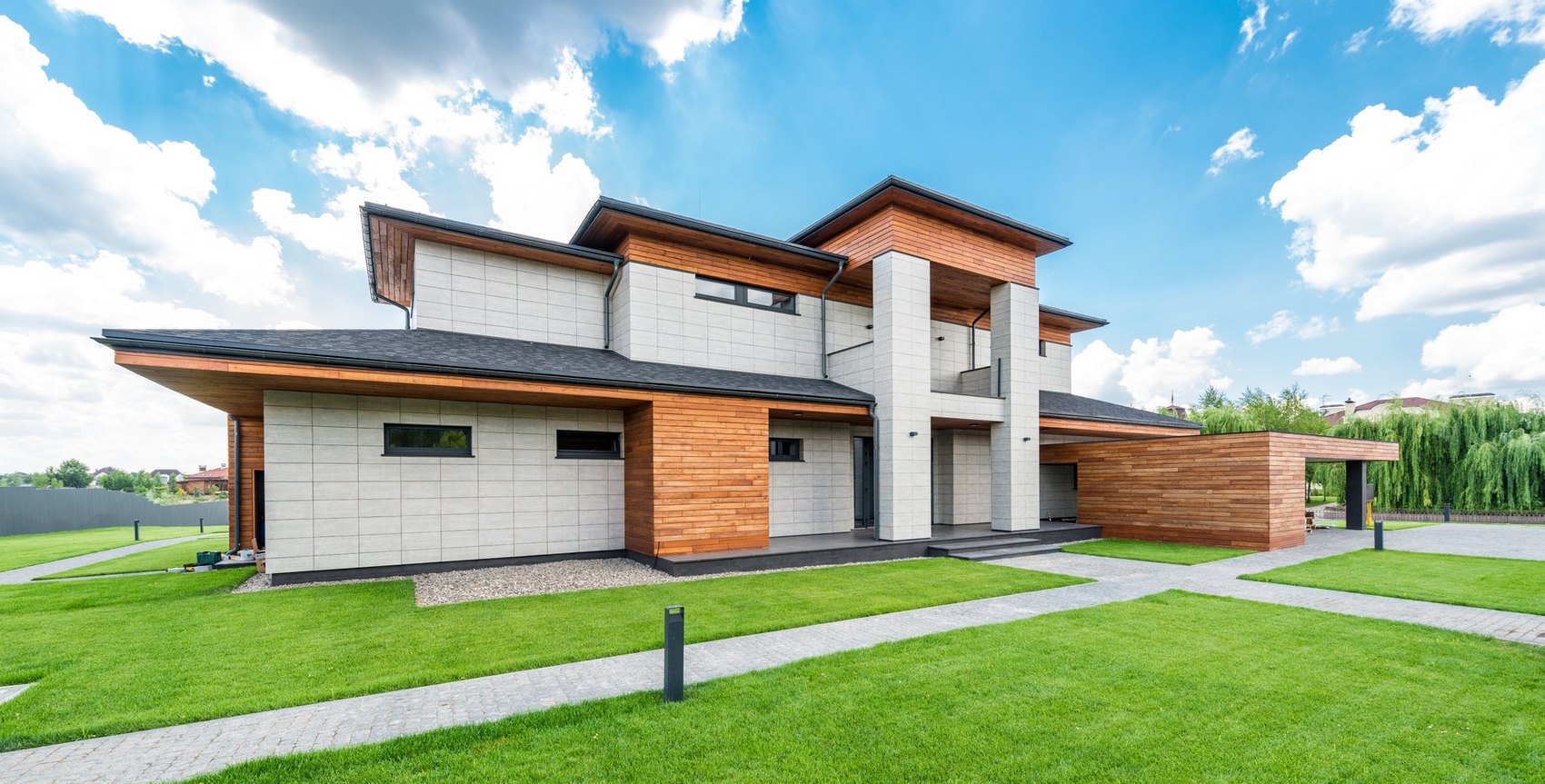
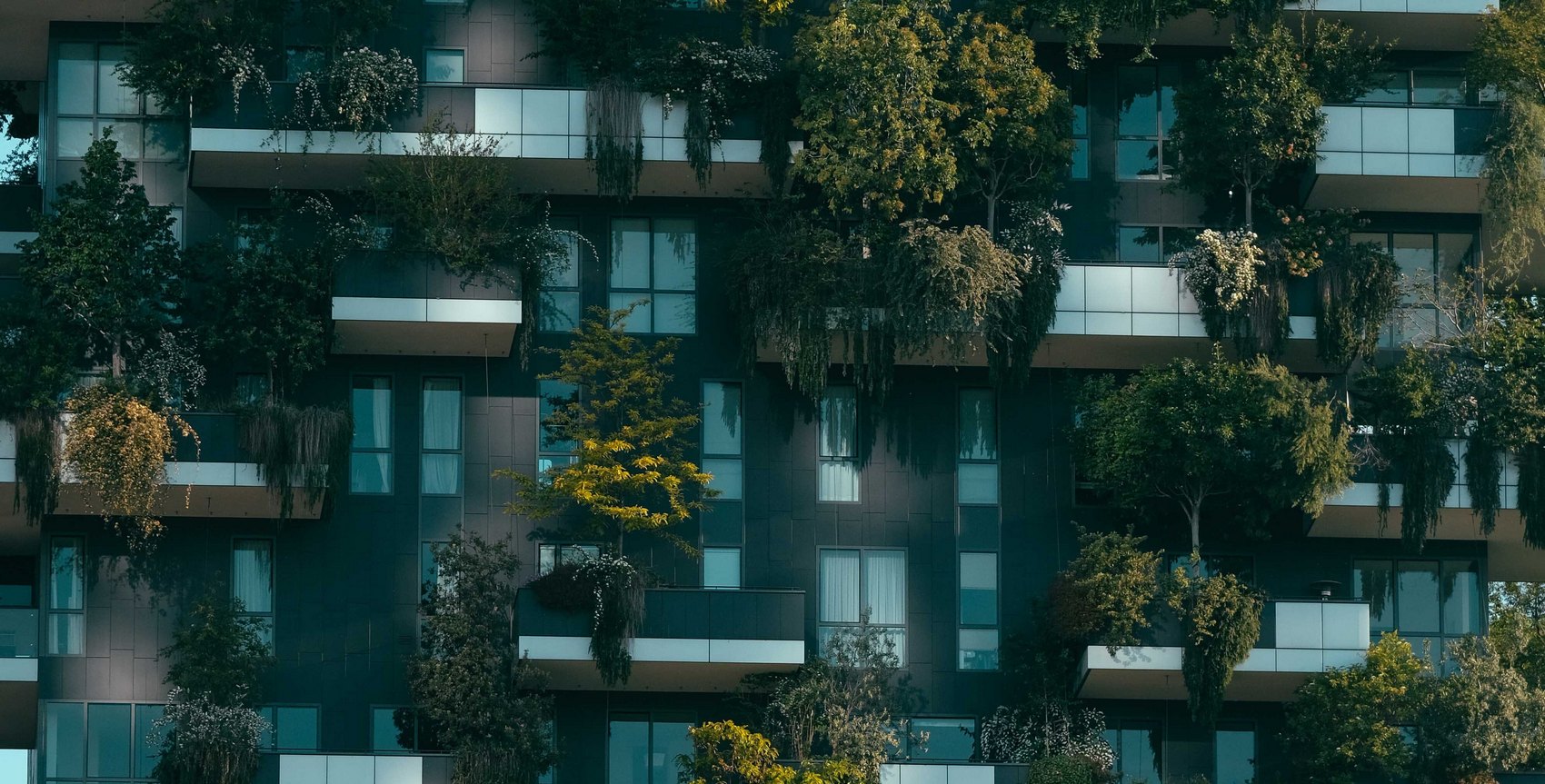
Eco-principles in private home construction
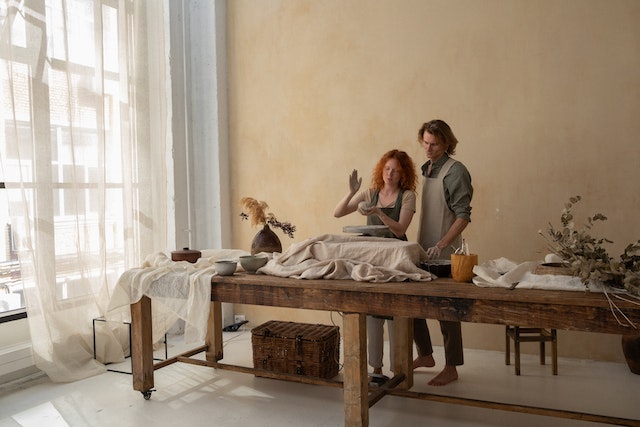
Eco-Interior in Terms of Psychology: The Healing Power of Nature-inspired Spaces
Our living environments can have a profound effect on our emotional and mental health. In recent times, eco-friendly
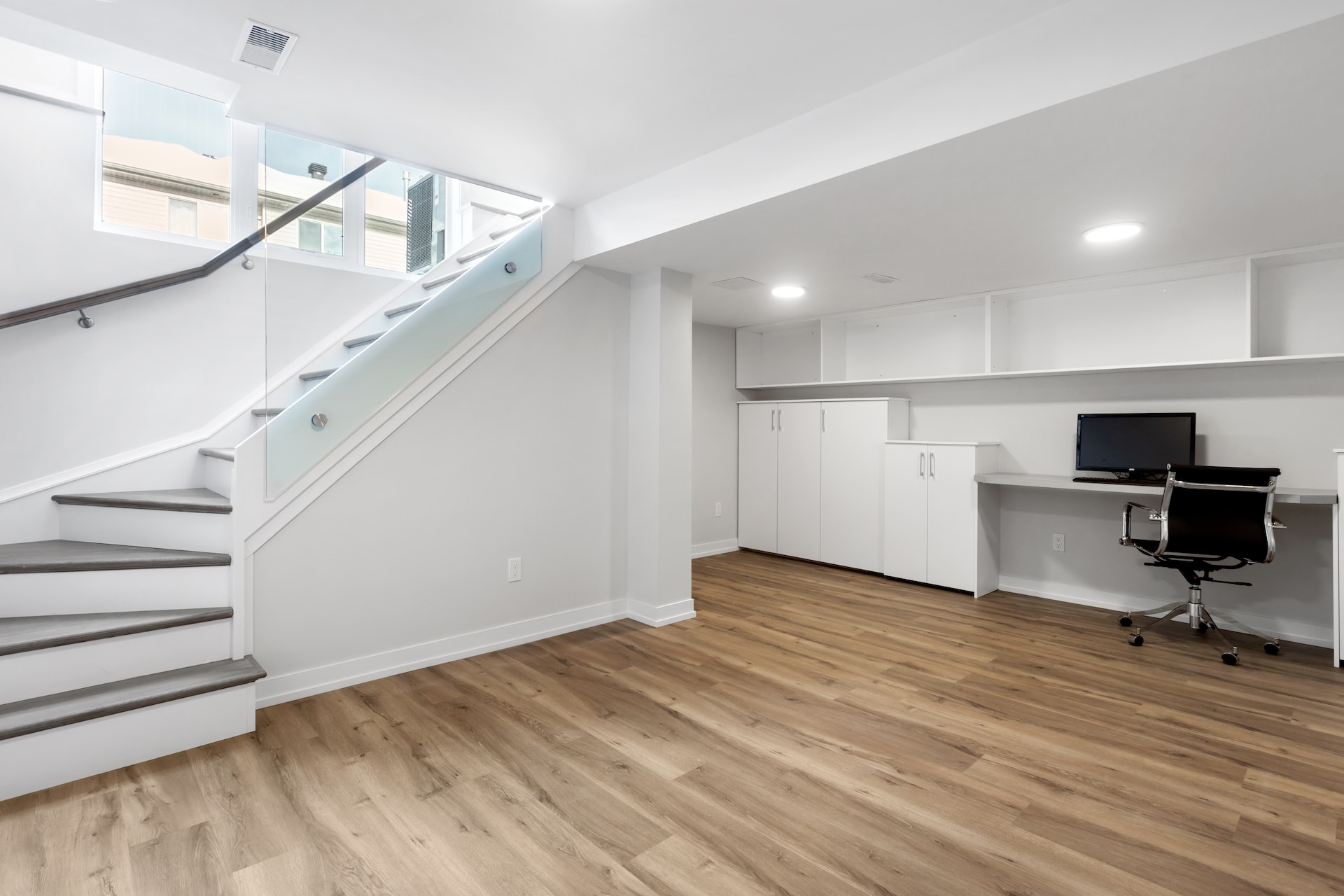
Full Basement Renovation Project: Eco-Solutions for Sustainable Makeovers
A full basement renovation project is an opportunity to not only add functional living space to your home,
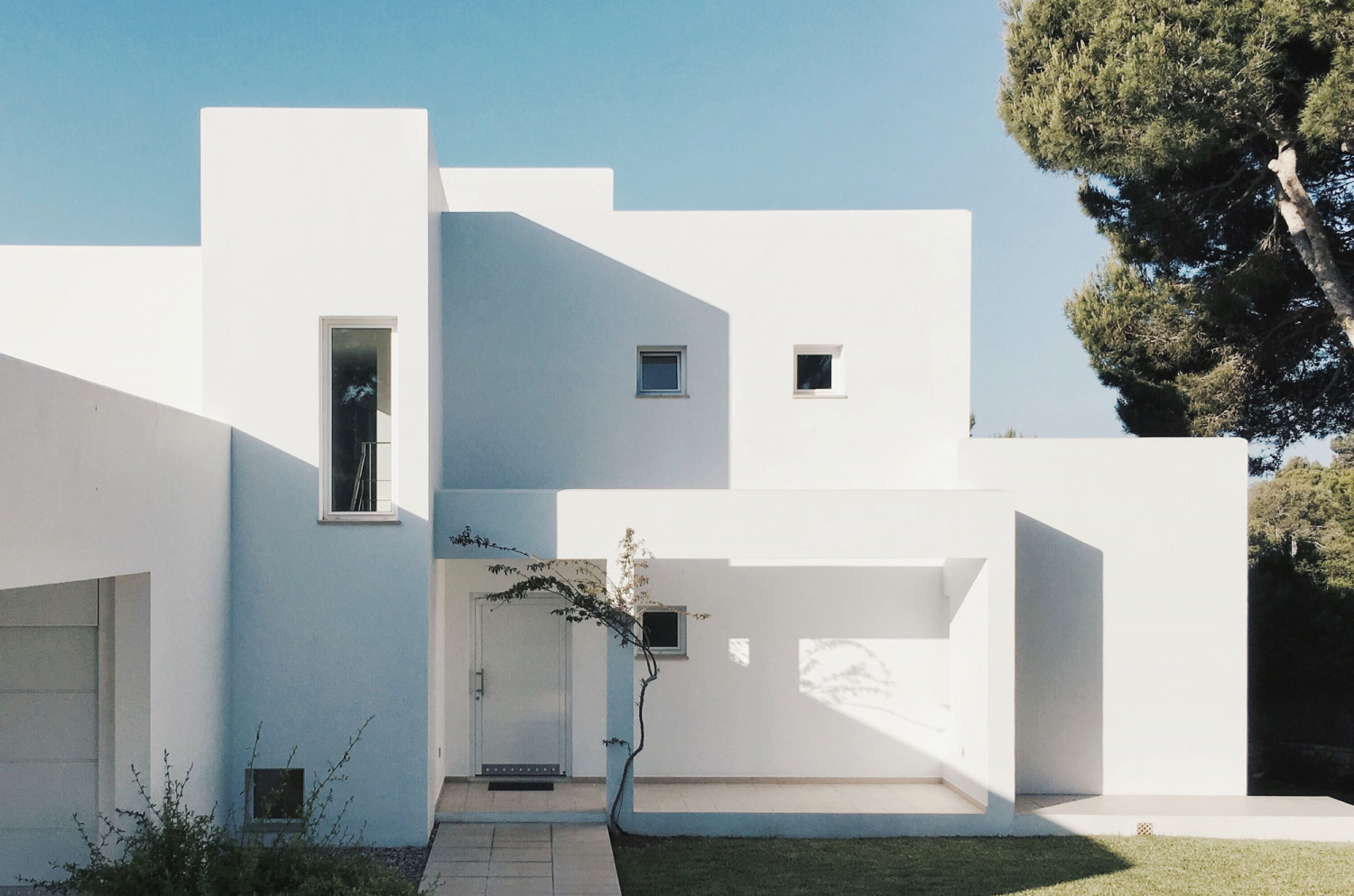
Minimalist homes
Minimalism is one of the most popular architectural styles of today. Simple, concise and convenient, it includes everything
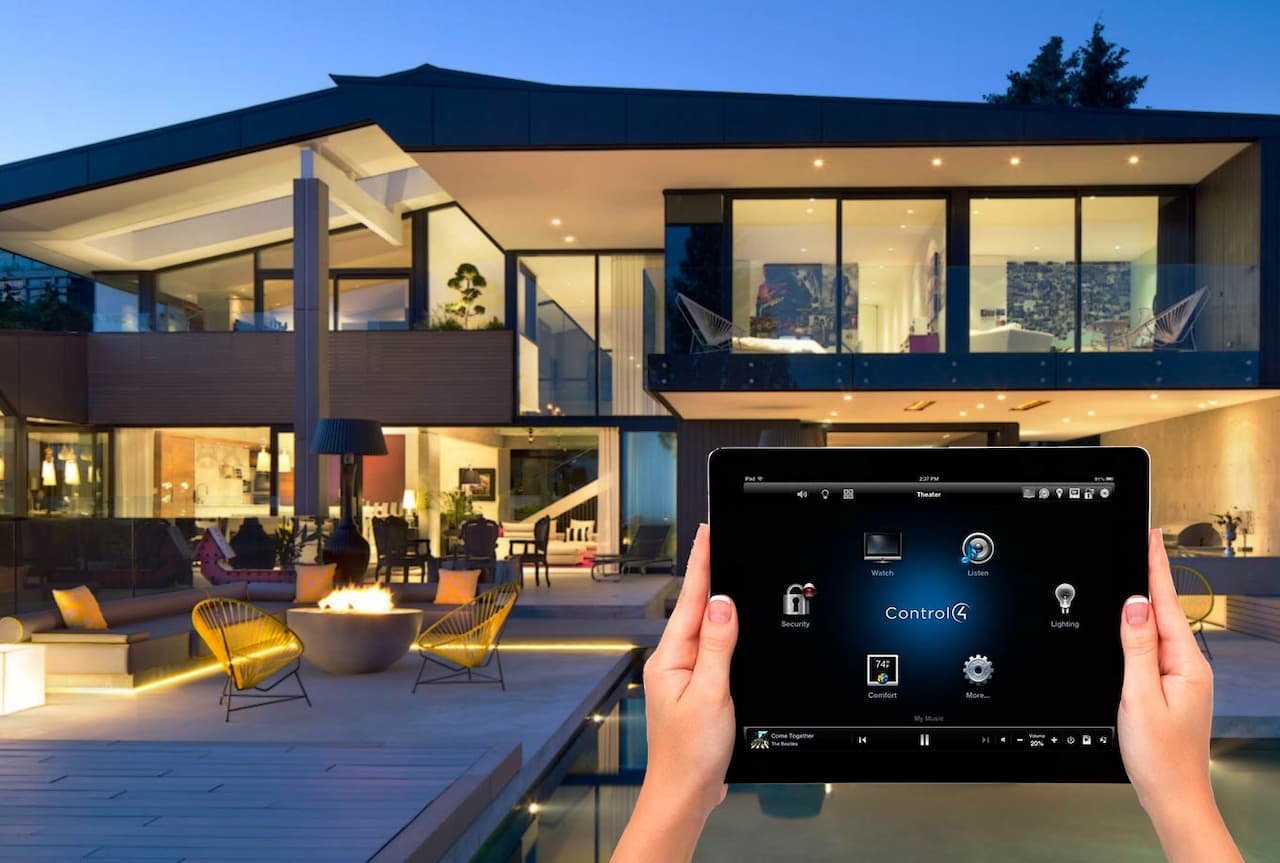
Smart Homes: Global Market and Trends
Smart homes are an important segment of the high-tech digital products market. The Internet of Things, broadband data
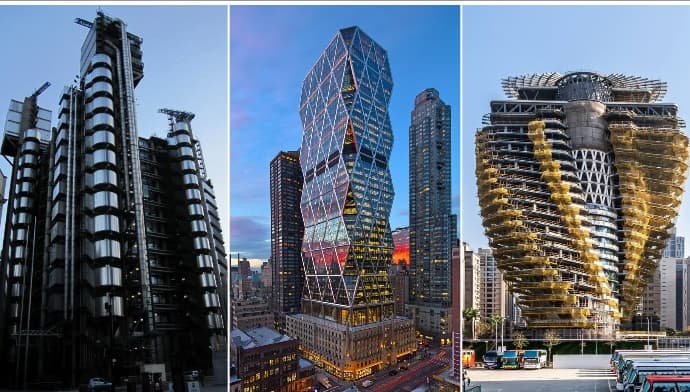
5 trends in contemporary architecture that are often not understood or accepted
As is often the case, new trends in art and aesthetic innovations, instead of finding a response in
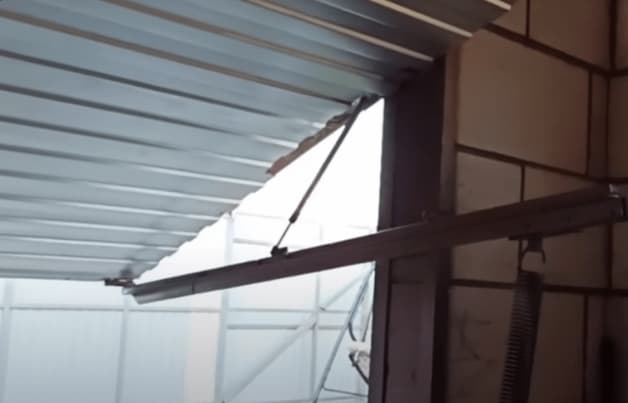
Garage Door Repair Guide: What to consider when install a garage door?
Garage doors are an important element of the architecture of the house – they must fit in with
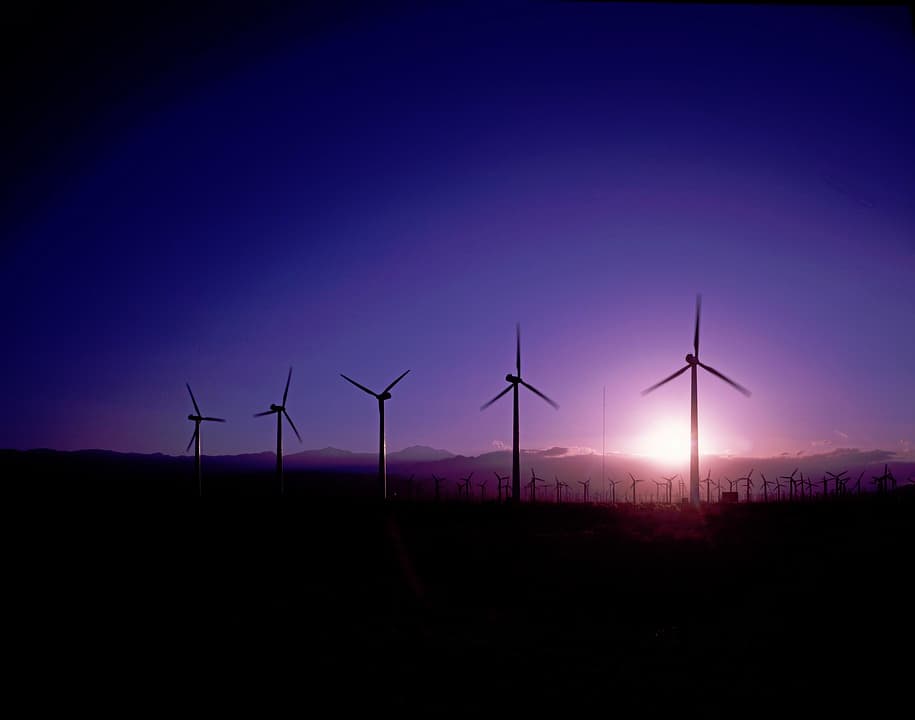
Is Environmentally integrated architecture the key to sustainability?
The need for infrastructure, whether commercial or private, will always be on an upward spiral. This isn’t only
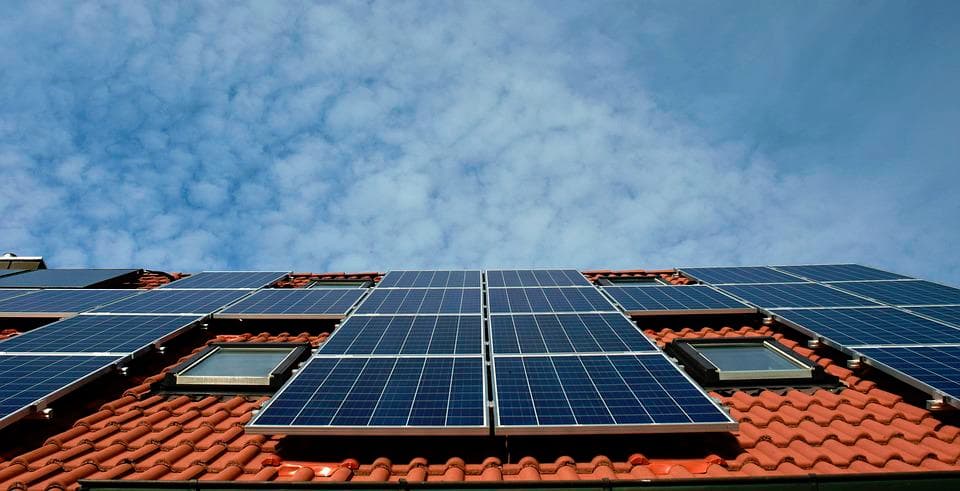
Does Caterpillar Believe in Building Environmentally- Integrated Architecture?
Environmentally integrated architecture has become a benchmark for infrastructure because of its long-term positive effect on the ecosystem.
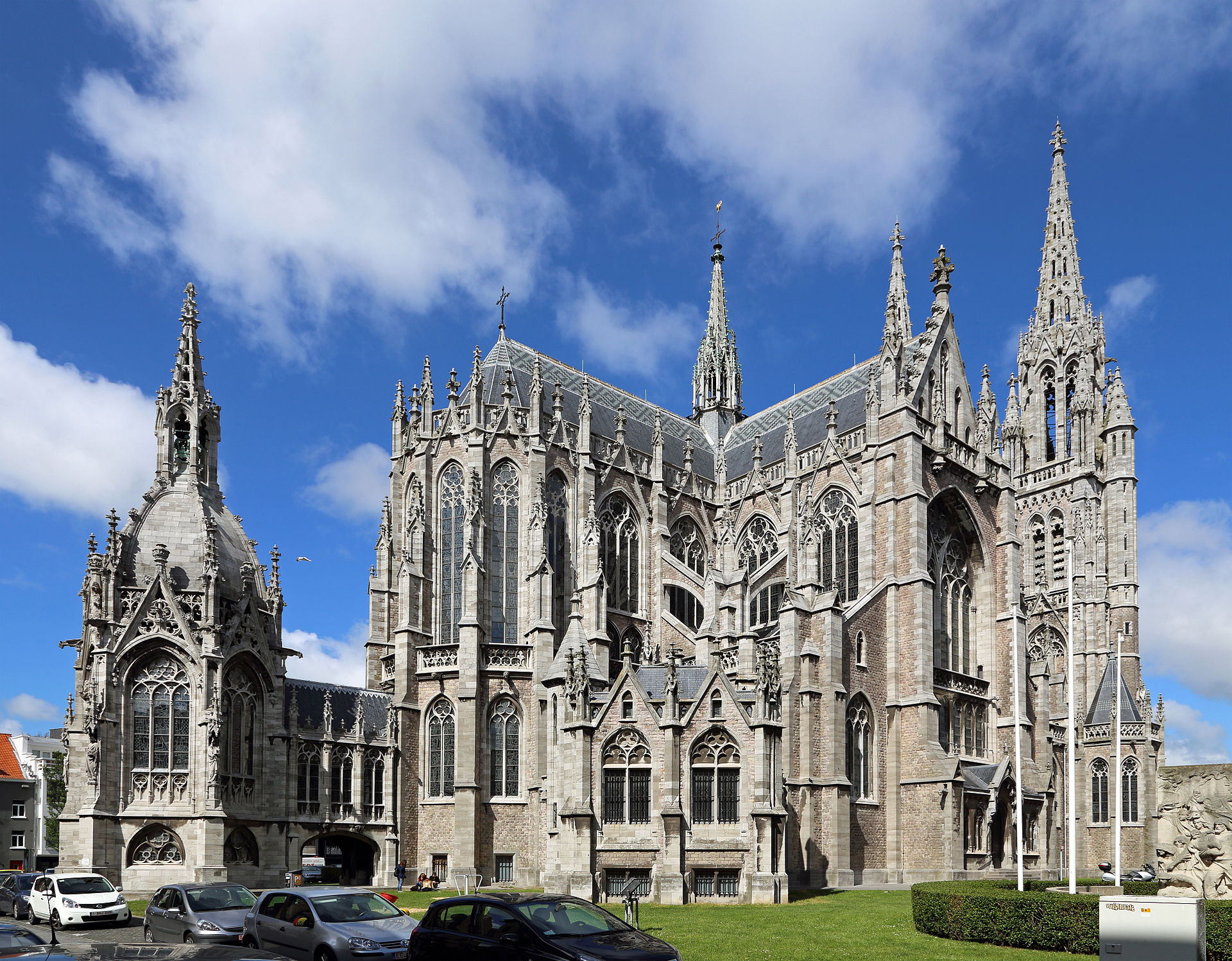
A Guide to Neo-Gothic Architecture: What Is It and How Does It Differ From Traditional Gothic Architecture?
If you’re a fan of Gothic architecture, then you’ll love neo-Gothic style! This newer trend in Gothic architecture
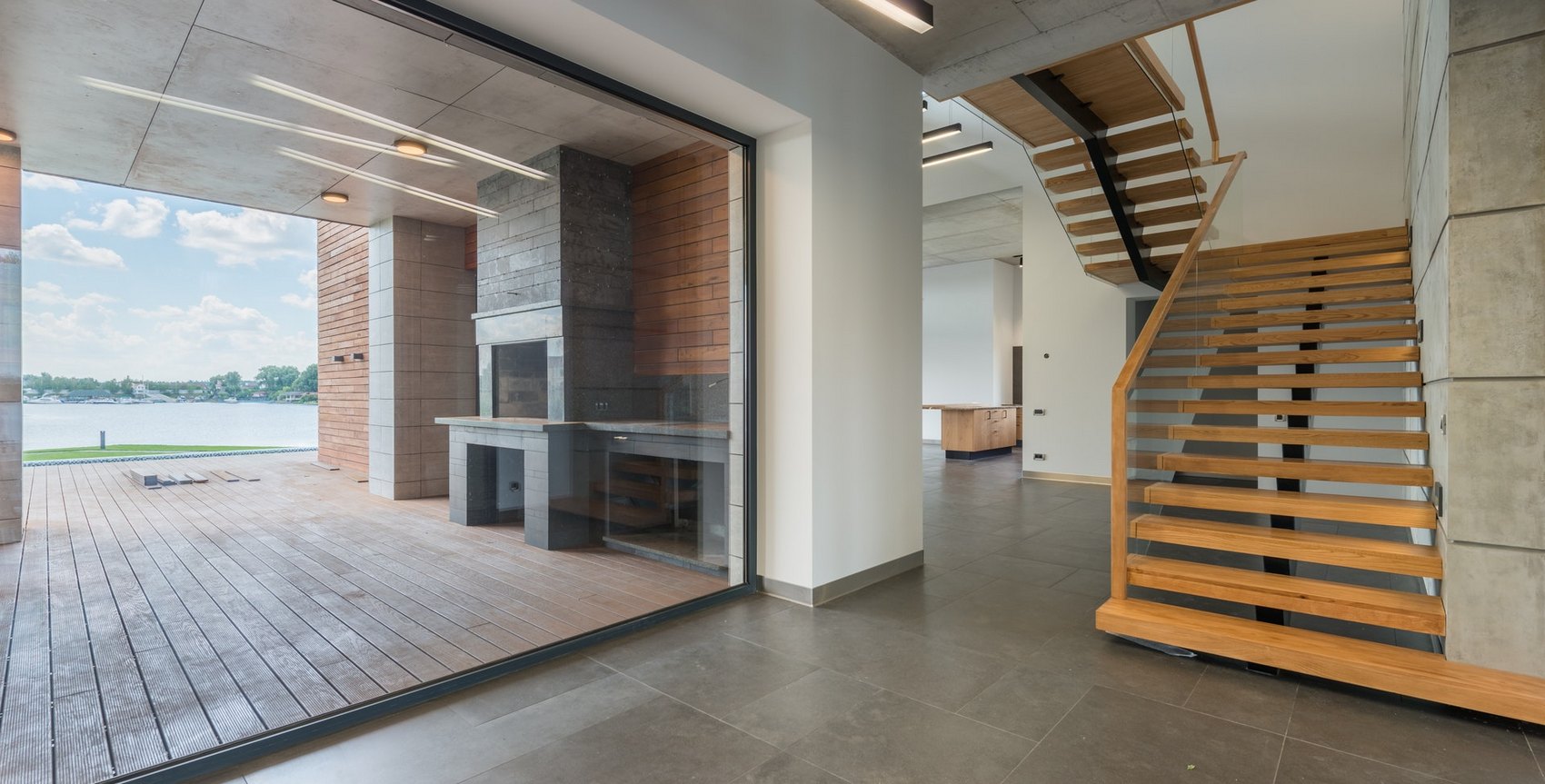
Interior in the Eco style
The interior in the Eco style, made of natural materials and in harmony with the environment, gives a

Teachers
More than 50 experienced teachers, current designers, and artists

Groups
Groups of 6 to 15 students

Equipment
Modern equipment and software

Study
Modern academic programs of study

Schedule
Convenient schedule on weekdays, weekends (morning, afternoon or evening)

Diploma
On professional retraining
Why Choose Us
Students in the art department, in addition to the basic course, can study the history of painting and the basics of composition, visit the studio of nudes, do watercolor and oil painting.
698
Lectures
1,106
Happy Students
4,469
Hours of lectures
754
Courses
Modern Eco Style
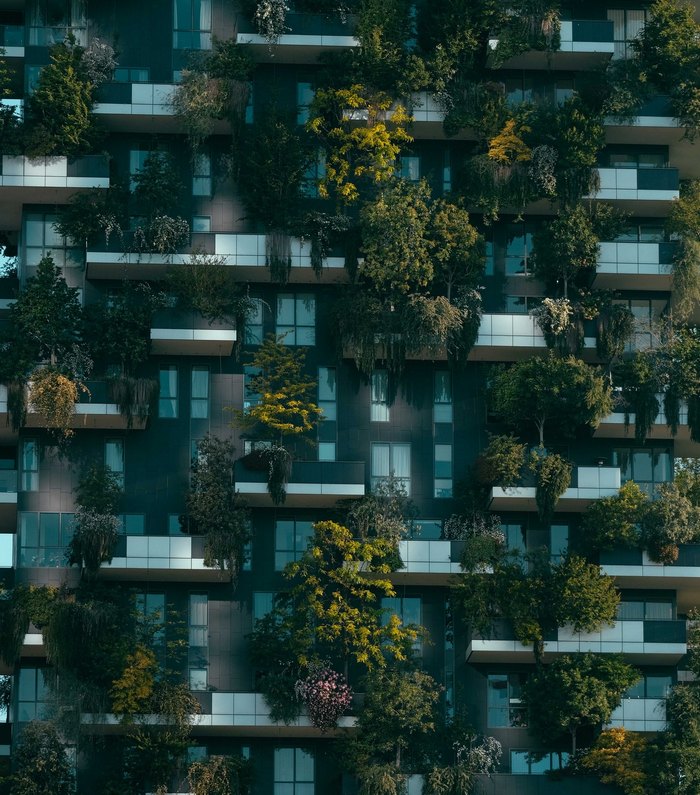
Although the word “eco” implies maximum proximity to the natural environment, very often such housing is built in the heart of the metropolis. The eco-house, located in a busy part of town, has special requirements, one of which is to protect personal space without compromising the interior. The facade of the house does not necessarily have to be fenced off from the outside world, it can go directly to the busy street, then instead of large window frames will be enough to set a thin narrow windows that will provide fresh air circulation.
Eco style is the maximum possible use of natural energy sources. To compensate for the lack of natural light, skylights should be installed in the ceiling of the foyer – they provide good lighting and at the same time allow you to hide the interior of the house from prying eyes.
We are chosen by










Let’s Bring Nature Into Your
Life
There are no entrance exams for admission to the School. We accept anyone who wants to study without special training (training from scratch).